March of the Volunteers
Overview
March of the Volunteers is the national anthem of the People's Republic of China, known for its stirring melody and profound historical significance. Composed in 1935 by the musician Nie Er, with lyrics by the playwright and poet Tian Han, the anthem became a symbol of resistance and national unity during significant historical moments in China. The song originally appeared in the film Children of Troubled Times, which depicted the people's struggles and their fight against Japanese aggression. Over the years, March of the Volunteers has remained a profound expression of Chinese patriotism and resilience.
Historical Context
The anthem was born in a period marked by immense social and political upheaval, specifically the War of Resistance Against Japanese Aggression (1931-1945). The song was initially part of a film that resonated with the hardships and the spirit of the era. It served as a rallying call for the Chinese people, offering hope and motivation to those fighting for their nation's sovereignty. Its powerful lyrics and Nie Er's composition provided both soldiers and civilians with the strength to persevere against adversities.
The Creators: Nie Er and Tian Han
Nie Er, born in Kunming, Yunnan province, was a pivotal figure in China's new music movement. Despite his brief life, Nie left an indelible mark on the country's musical landscape. He collaborated with Tian Han, a respected lyricist, in crafting March of the Volunteers. Tian Han, born in Changsha, Hunan province, was renowned for his contributions to Chinese drama and poetry. Together, they created a piece that transcended its origins in film to become the anthem of a nation.
Cultural Impact and Legacy
March of the Volunteers was officially adopted as the national anthem of the People's Republic of China on Sep 27, 1949, before the founding ceremony of the People's Republic of China on Oct 1, 1949. Its selection underscored the anthem's significance in Chinese cultural and political identity. The song's influence extended beyond borders, symbolizing the spirit of resistance and unity. Numerous performances and adaptations have celebrated its legacy, including operas, dance dramas, and choral renditions. The piece continues to inspire artistic expressions and remains a central element in China's cultural heritage.
Memorials and Representations
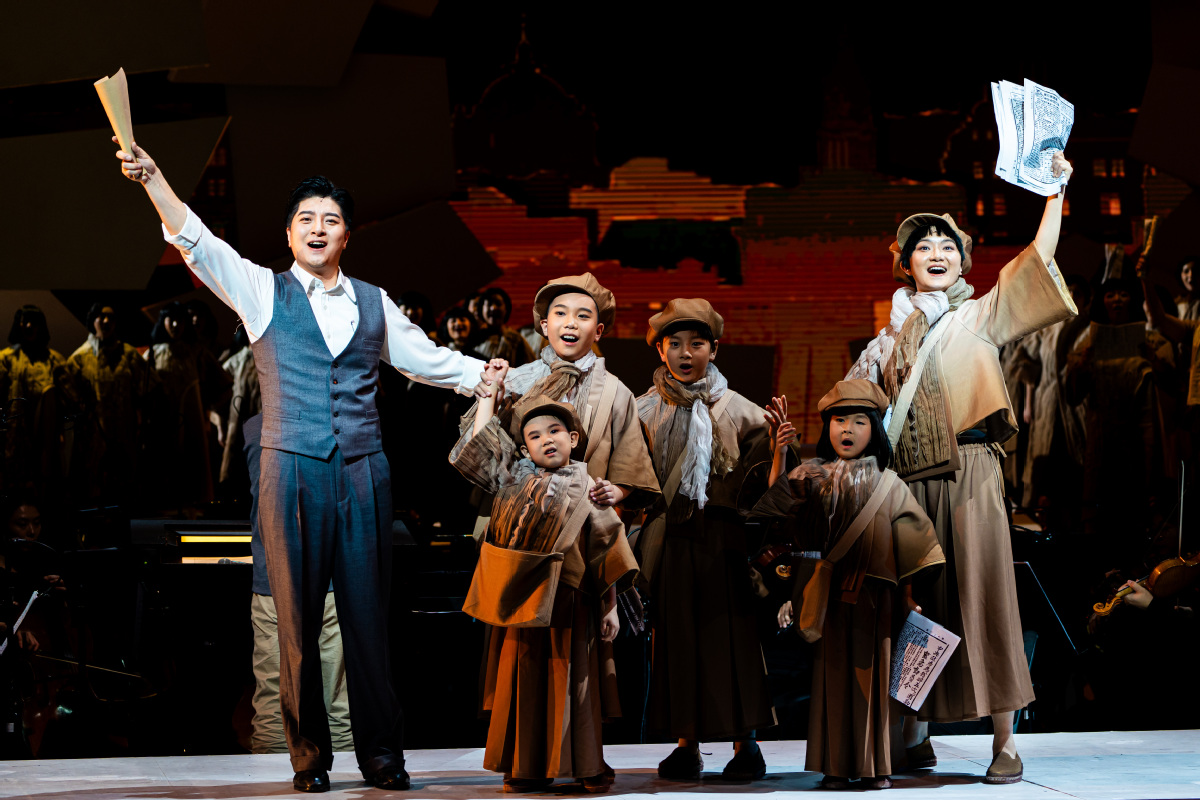
Several productions and events have highlighted the anthem's historical and cultural significance. These include the groundbreaking choral drama Songs of Nie Er, which celebrates the composer’s life and contributions; the opera March of the Volunteers by the Shanghai Opera House; and the dance drama Ode to Hotblooded Youth. These works honor the anthem's creators and explore the broader themes of patriotism and resilience. They serve as reminders of the anthem's enduring relevance and its role in shaping Chinese national consciousness. Article reference1. Choral drama sings praise upon national anthem composer's legacy. chinadaily.com.cn. 20242. Russian musician has concert for 130th anniversary of birth. chinadaily.com.cn. 20243. Dance drama pays tribute to national anthem, martyrs. chinadaily.com.cn. 20244. Acrobatic show sheds light on life story of national musician. chinaservicesinfo.com. 2021Photo Gallery(6 pictures)CategoriesArtsTagChinese MusicRelatedNie ErXia YanCatalogue1. Overview2. Historical Context3. The Creators: Nie Er and Tian Han4. Cultural Impact and Legacy5. Memorials and Representations- - - []








